
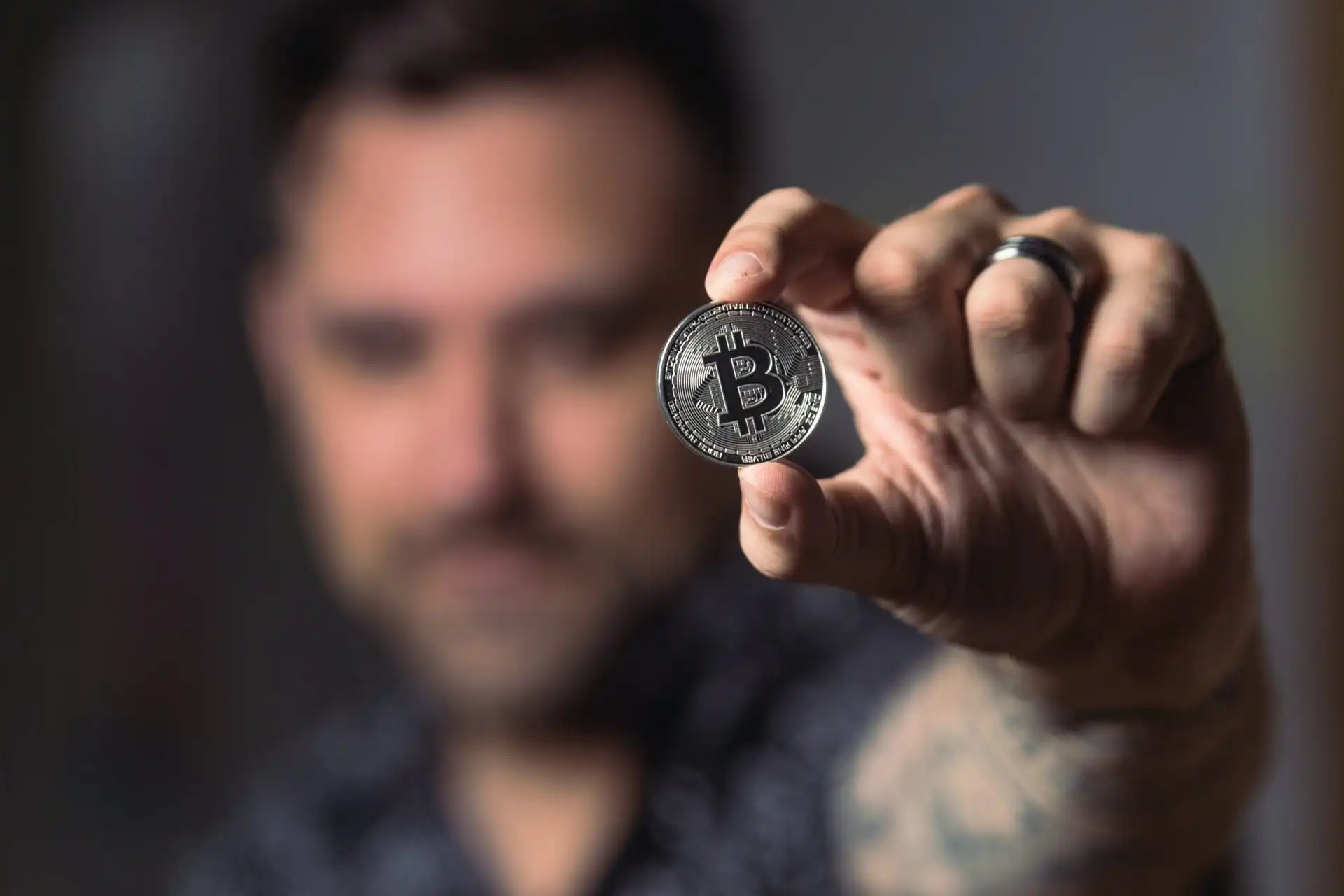
The homepage used to present the metaverse as a money-making topic of the moment, and the crypto page still has an NFT section. Both URLs stay. This hub is the honest 2026 version: trading volumes and user counts fell hard after 2022, many “earn while you play” economies only worked while new buyers arrived, and virtual land did not become a career.
Some useful pieces remain. Creators still experiment with digital collectibles. A few games have players. Brands still commission virtual events no one asked for. None of that is a reason to buy a token because a video from 2022 said the creator became the richest person in a headset.
If you make things, sell the thing. A token can be a receipt or a membership experiment after you have buyers. If you are investing, read the crypto hub’s warnings and the ordinary investing hub before this one. Not financial advice.
Niche, and mostly smaller · Topic 1 of 4
NFTs after the hype
Minting is easy and selling is not. Marketplace fees, failed royalty enforcement, and a thin pool of buyers are the normal case. Artists who already had an audience sometimes still sell editions. Strangers who bought a course in 2023 about “flipping PFPs” mostly met an empty order book. If you create, price the work as art. If you cannot describe the buyer, do not mint a collection of a thousand.
Plays from YouTube (privacy-enhanced mode) only after you press play · Watch on YouTube
Niche, and mostly smaller · Topic 2 of 4
Metaverse work, without the costume
Airrack’s video is entertainment about a moment, not a career guide. Paid work that survived is ordinary: 3D assets, event production, community moderation, Unity or Unreal contract jobs. Those are freelance skills that happen to be used in a virtual venue. “Buy land and the tenants will come” was a speculation. Shopify’s overview is useful as a list of ideas and should be read with the collapse in mind, not as a 2022 pitch.
Plays from YouTube (privacy-enhanced mode) only after you press play · Watch on YouTube
Niche, and mostly smaller · Topic 3 of 4
Play-to-earn now
Token rewards that depended on new players buying in were a transfer, not a wage. When the token fell, the wage disappeared and the items became illiquid. Play a game because you like it. If a game requires you to buy a character before you can earn, treat that purchase as entertainment spending you will not get back. Ledger’s glossary explains the machinery.
Plays from YouTube (privacy-enhanced mode) only after you press play · Watch on YouTube
Niche, and mostly smaller · Topic 4 of 4
Services that are still just freelancing
Wallet support, smart-contract review, and community management for a project are freelance contracts. The client’s token is not a salary unless you can sell it, and you often cannot when you want to. Invoice in a currency you can pay rent with. If a project will only pay in its own coin, you are an investor in that project, with the downside that implies.
Plays from YouTube (privacy-enhanced mode) only after you press play · Watch on YouTube
FAQ
Questions people ask
Can you still make money with NFTs?
A few artists with an existing audience still sell editions. For most people, buying NFTs to flip is speculation with thin demand. Price creative work as art, not as an investment.
Is play-to-earn worth it in 2026?
As income, rarely. Most token rewards collapsed when new players stopped buying in. Play games you enjoy and treat any purchase as entertainment spending.
What Web3 work still pays?
Ordinary skills applied to crypto projects: community management, writing, design, security reviews and 3D work. Invoice in a currency you can pay rent with.
Where are the NFT and metaverse sections?
Both topics are covered on this page, and the cryptocurrency hub keeps its NFT and play-to-earn sections for readers who arrive from older links.